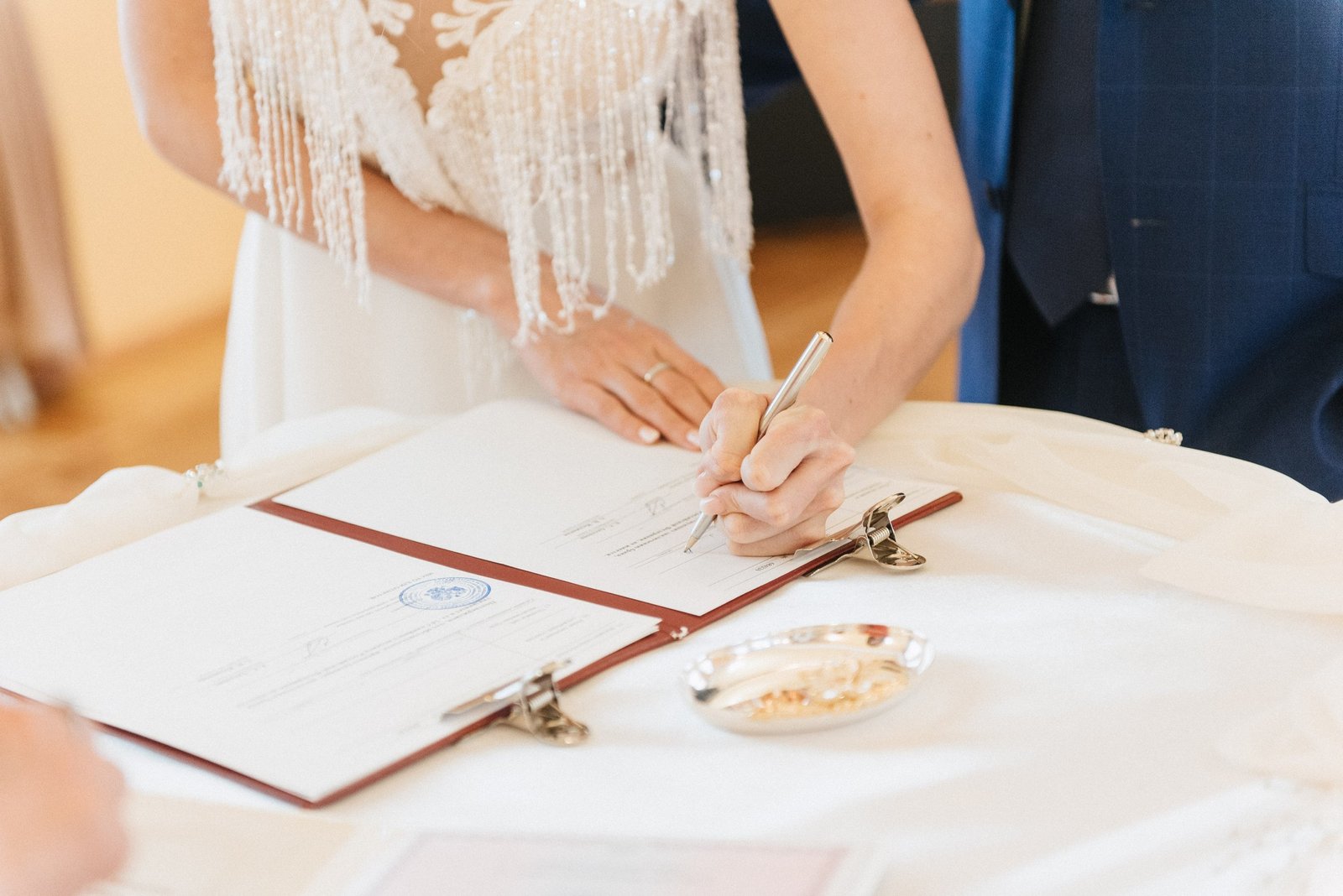
In a sprawling metropolis like Karachi, where social circles are tight and traditional expectations often weigh heavy on young couples, the need for privacy in matrimonial matters has never been greater. For many, the decision to opt for a is not just about legal convenience—it is a strategic choice to ensure personal security and confidentiality. As we move through 2026, the Karachi judicial system has refined its processes to offer couples a dignified and private way to solemnize their union.
The Modern Need for Confidentiality
Karachi’s unique demographic makeup means that couples often come from diverse ethnic, provincial, or sectarian backgrounds. When traditional family structures present hurdles to a union, the legal system provides a neutral, safe, and confidential alternative. A court-supervised marriage allows a couple to exercise their constitutional right to marry the person of their choice without the immediate need for a large-scale public event that could potentially lead to social friction or security risks.
The primary advantage here is the controlled environment. Unlike a residential Nikah, a court setting ensures that only authorized personnel—the Magistrate, the licensed Registrar, and the legal witnesses—are present. This minimizes the risk of unauthorized interference during the ceremony.
Legal Safeguards Against External Interference
The legal framework of a is designed to provide an immediate “legal shield.” Once the marriage is recorded in the judicial diary, it becomes a state-protected event.
1. The Statement of Voluntary Consent
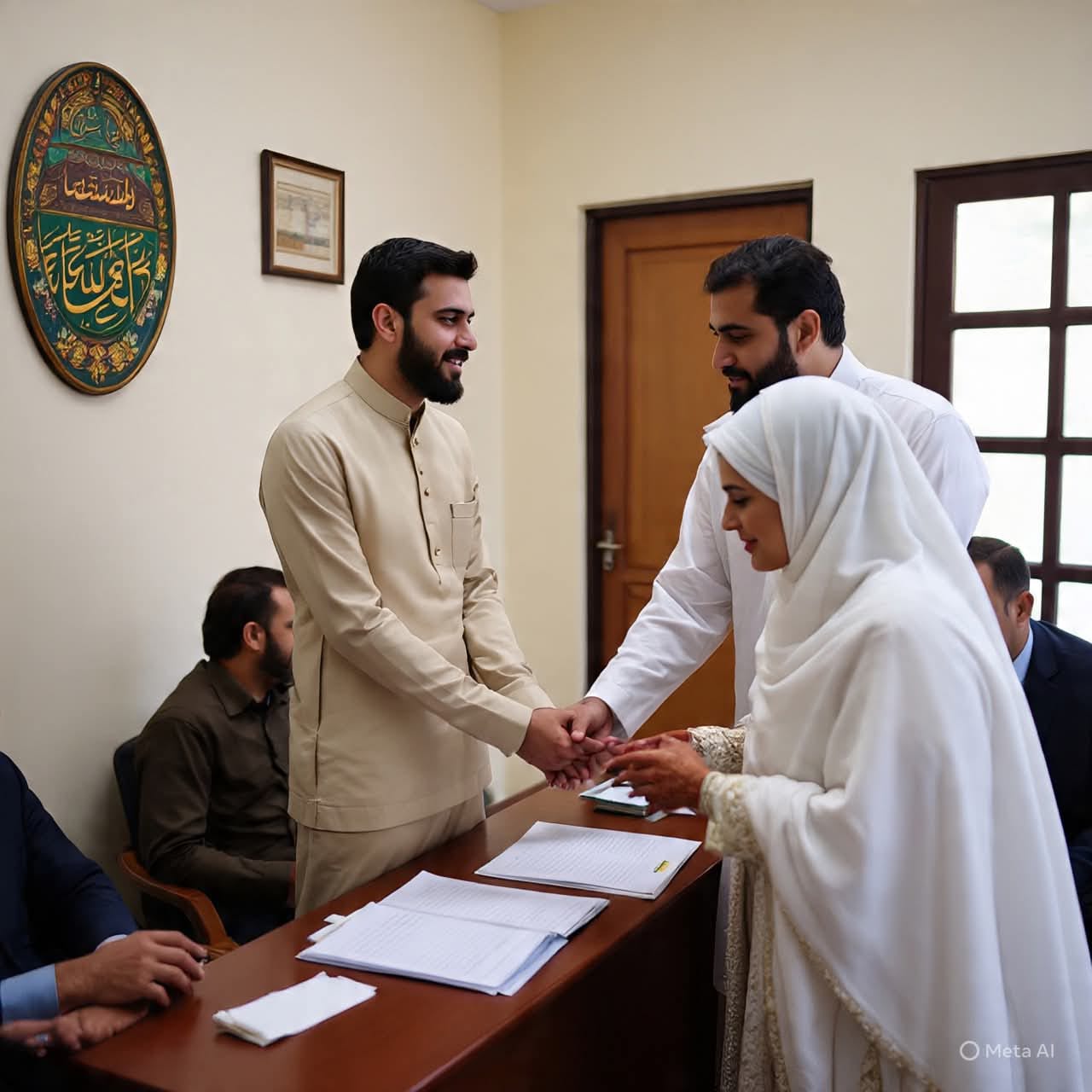
The most critical moment for confidentiality and security is the recording of the statement before a Magistrate. This is done in a private chamber or a secured courtroom. The Magistrate ensures that the bride is speaking of her own free will. Once this statement is signed and sealed, it acts as an absolute defense against any future claims of “forced marriage” or “abduction” that might be used by third parties to harass the couple.
2. Witness Protection and Anonymity
While two witnesses are legally required, the court setting allows couples to choose witnesses they trust, or in some cases, legal professionals can assist in providing the necessary witnessing to maintain the couple’s privacy from their immediate social circles until they are ready to announce their union.
Procedural Efficiency: Time is Security
In situations where security is a concern, the speed of the process is a vital factor. Karachi’s courts are accustomed to handling these matters efficiently. Typically, the entire process—from drafting the initial affidavits to receiving the manual Nikah Nama—can be completed within 3 to 4 hours. This “single-day” turnaround is crucial for couples who may be traveling from other cities or who need to relocate immediately after the ceremony for their safety.
Post-Ceremony Legal Immunity
Once the Nikah Nama is issued and attested by the court, the couple gains immediate legal status as husband and wife. This status is recognized by all law enforcement agencies. If a false FIR (First Information Report) is filed against the couple, the court marriage documents serve as the primary evidence to have such charges quashed by the High Court.
The Transition to NADRA for Long-term Security
Confidentiality in the courtroom is followed by security in the national database. By registering the marriage with the Union Council and obtaining a NADRA Marriage Certificate, the couple ensures that their marital status is encrypted and secured in the federal record. This prevents any attempt to “deny” the marriage later, a tactic sometimes used in property or maintenance disputes.
Final Thoughts on Confidentiality
Choosing a court marriage in Karachi is an act of empowerment. It allows couples to prioritize their safety and their future together without compromising on the legal or religious validity of their union. In a city that never sleeps, the court remains a place where silence, security, and the law work together to protect the most personal of human contracts.